QR Codes for Business: 15 Proven Use Cases & ROI Guide 2026
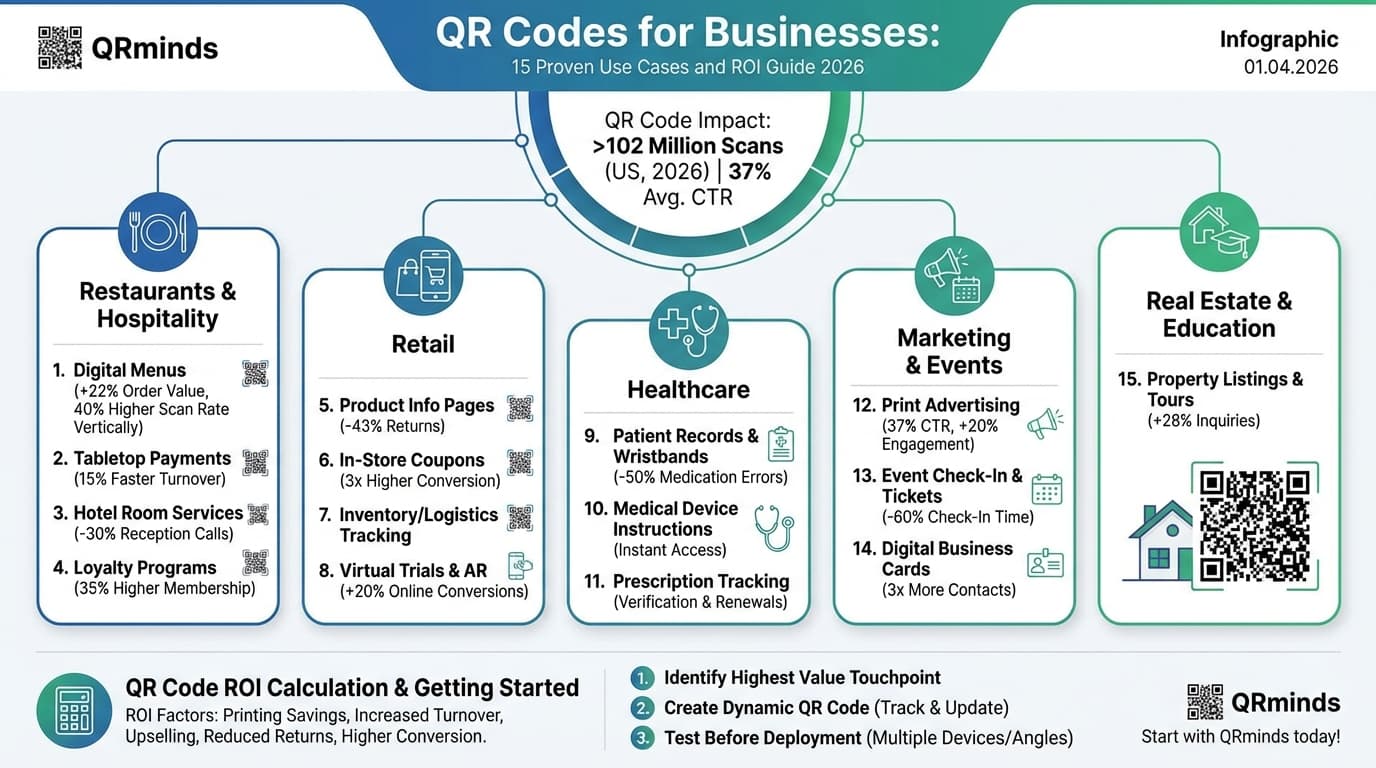
QR codes have quietly become one of the highest-ROI tools in a modern business's arsenal. With over 102 million Americans expected to scan a QR code in 2026 and QR-initiated journeys achieving a 37% average click-through rate, the question is no longer "should we use QR codes?" — it's "where haven't we used them yet?"
This guide breaks down 15 proven business use cases with real ROI data, so you can identify the opportunities most relevant to your industry and act on them today.
Why QR Codes Are a Business Necessity in 2026
The numbers tell the story clearly:
The technology has matured. Smartphones no longer need special apps to scan. Consumers are comfortable. And businesses that haven't adopted QR codes are now behind the curve.
Restaurant & Hospitality: The Biggest Adopters
1. Digital Menus
Nearly **75% of restaurants worldwide** now use QR code menus, and for good reason. A restaurant in Chicago reported a 22% increase in average check size after switching to a digital menu — customers ordered more when they could easily browse photos, descriptions, and specials.
**ROI factors:**
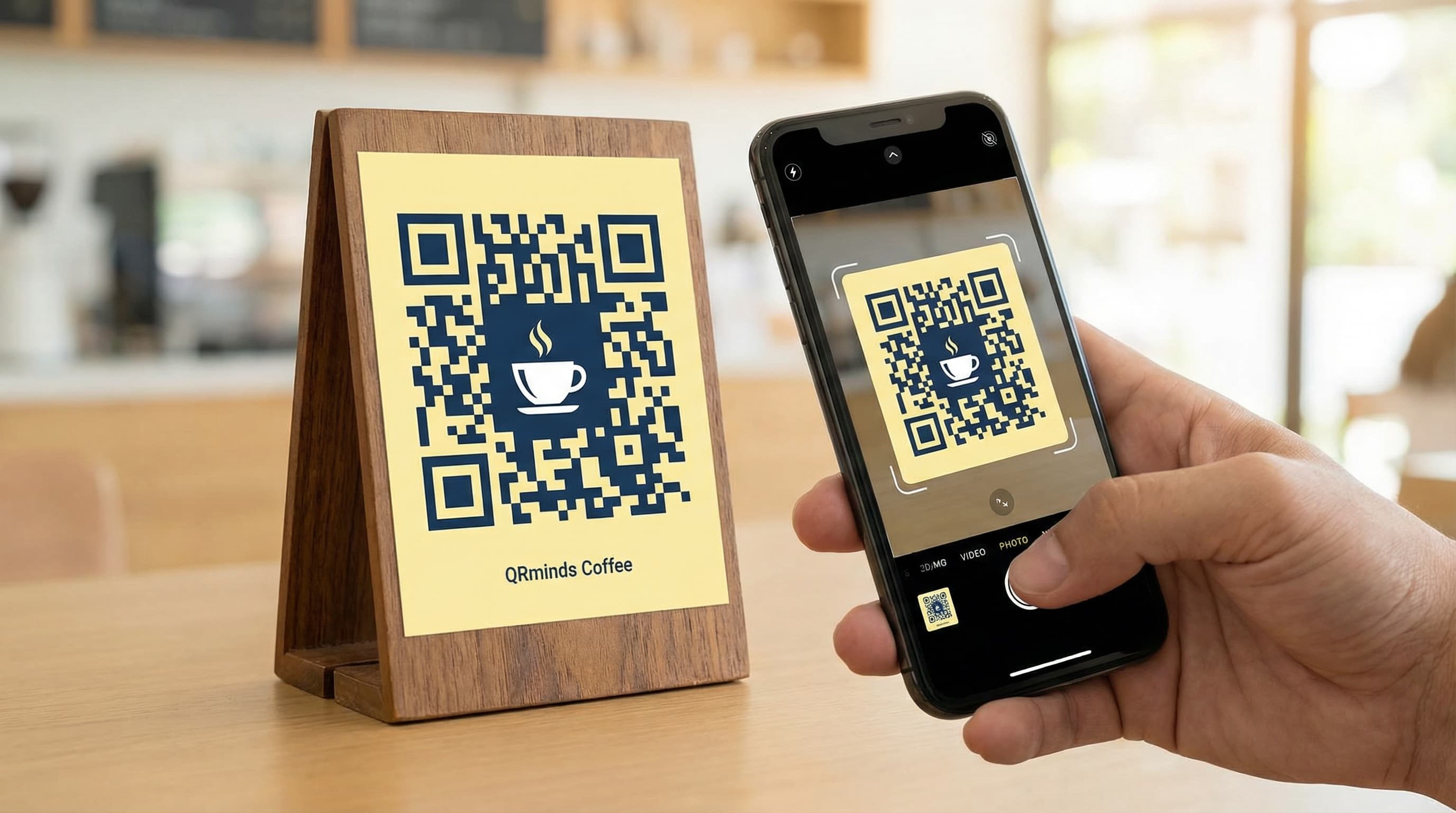
**Implementation tip:** Place QR codes at eye level on table tents, not flat on the table. Scan rates increase by 40% when codes are vertical.
2. Table-Side Payments
Restaurants adopting QR code-based payments experience a **15% increase in table turnover**, directly boosting revenue during peak hours. Customers pay when ready — no waiting for the check.
3. Hotel Room Services
Hotels are placing QR codes on in-room cards linked to digital room service menus, spa booking, and local recommendations. This reduces front desk calls by 30% while improving guest satisfaction scores.
4. Loyalty Programs
QR-based loyalty programs are replacing plastic stamp cards. Customers scan at checkout to log points, redeem rewards, and register for promotions — all from their phone. Chains using this approach report **35% higher loyalty program enrollment** versus traditional cards.
Retail: Bridging Physical and Digital
5. Product Information Pages
A shopper sees a jacket they like but has questions about materials, washing instructions, or size fit. A QR code on the tag links to a detailed product page with videos, reviews, and size guides. Retail stores using this see **43% fewer returns** and a measurable lift in customer confidence.
6. In-Store Promotions & Coupons
QR-based coupons convert at rates **3x higher** than printed coupons because the redemption is frictionless — scan, show, done. One retail client campaign linking in-store QR displays to exclusive online offers boosted conversions by **35% in three months**.
7. Inventory & Logistics Tracking
43% of businesses already use QR codes for logistics, and 39% for inventory management. A single QR code on a product can carry full lifecycle data — from warehouse receipt to customer hands — eliminating manual entry errors and reducing stockouts.
8. Virtual Try-On & AR Experiences
L'Oréal placed QR codes on product packaging redirecting customers to AR virtual try-ons of cosmetic products, resulting in a **20% increase in online conversion** from in-store scans. The barrier to entry for this technology has dropped dramatically in 2026.
Healthcare: Accuracy and Efficiency
9. Patient Information & Digital Records
Hospitals use QR codes on wristbands and patient folders for instant access to digital records, medication schedules, and care instructions. This reduces medication errors by up to 50% in facilities that have implemented smart QR-based patient management.
10. Medical Device Instructions
A QR code on a medical device package links to the latest usage instructions, training videos, and compliance documentation — ensuring healthcare professionals always access the most current version, even years after distribution.
11. Prescription Tracking
Pharmacies use QR codes on prescription labels for instant verification, drug interaction checks, and refill requests. Patients can scan to see their medication history, reducing dangerous mix-ups.
Marketing & Events
12. Print-to-Digital Advertising
Traditional print ads with QR codes achieve a **37% average CTR** — dramatically higher than any other print format. Pepsi's 2023 QR marketing initiative delivered a 20% increase in engagement compared to traditional ad campaigns.
**Where to place them:**
13. Event Check-In & Ticketing
Event organizers replace printed tickets with QR-based digital tickets, cutting check-in time by 60% and eliminating fraud. Attendees love the convenience; organizers love the real-time attendance data.
14. Business Cards
A QR code on a business card links to a full digital vCard — phone, email, social media, website — all saved to the contact's phone in one scan. No more lost cards or typos. Professionals using QR business cards report **3x more follow-up contacts** versus traditional cards.
Real Estate & Education
15. Property Listings
Real estate agents place QR codes on yard signs and brochures linking to virtual tours, floor plans, and contact forms. Properties with QR codes receive **28% more inquiries** than listings without them.
Calculating Your QR Code ROI
Before deploying, run a quick ROI estimate:
**For restaurants:**
**For retail:**
**For marketing:**
Getting Started: 3 Steps
1. **Identify your highest-value touchpoint** — where do customers interact with your brand physically? Start there.
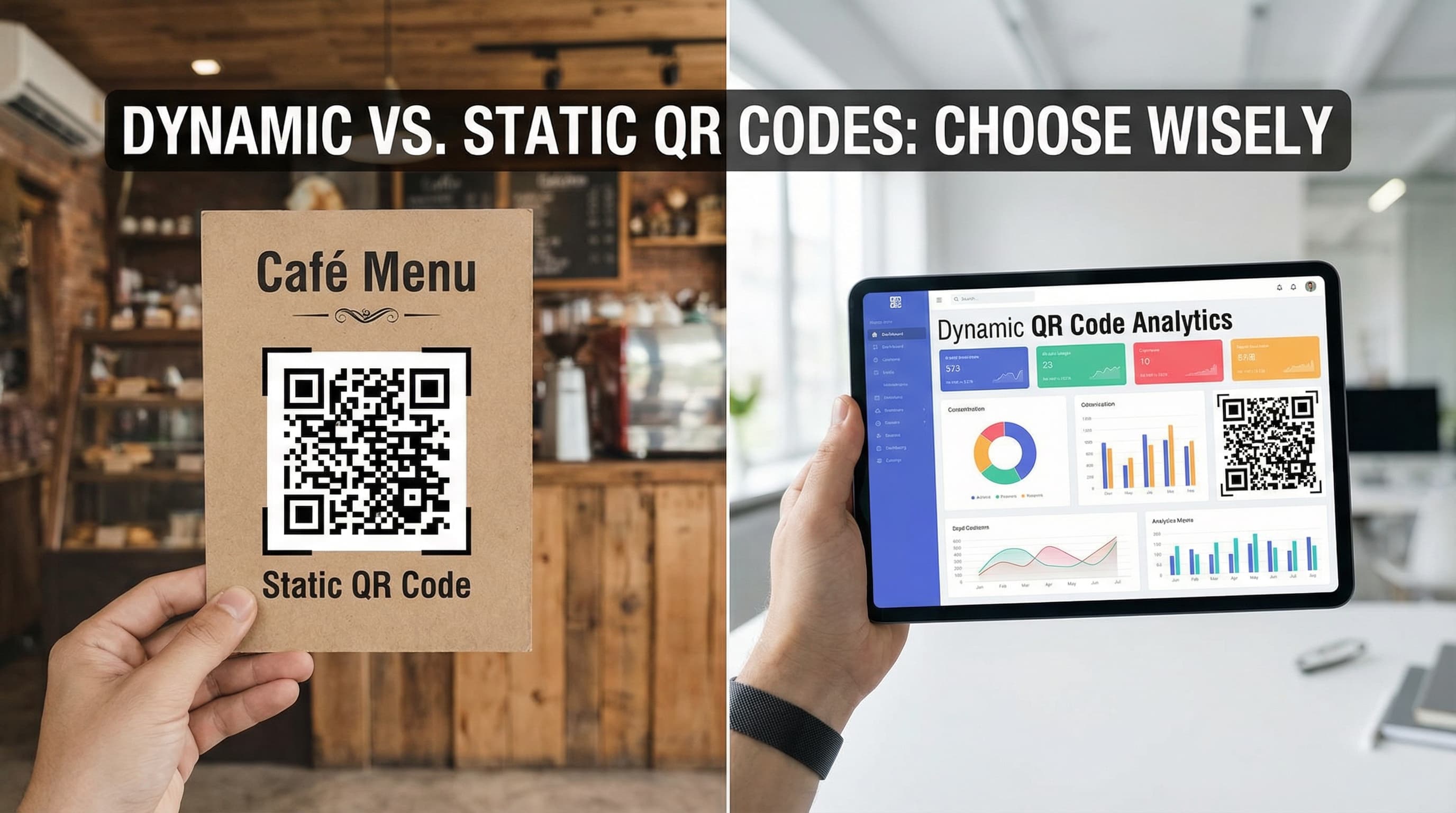
2. **Create a dynamic QR code** — dynamic codes let you update the destination URL without reprinting, and give you scan analytics to measure ROI.
3. **Test before deploying at scale** — scan from multiple devices, at different angles and distances, before committing to a full print run.
The businesses seeing the greatest ROI from QR codes aren't necessarily using the most sophisticated implementations — they're using them consistently, in the right places, with clear calls to action.
Ready to get started? Create your first business QR code with QRminds and join over 102 million Americans who will scan a QR code this year.
Frequently Asked Questions
What is the average ROI of QR codes for businesses?
ROI varies by use case, but QR-initiated campaigns average a 37% click-through rate — dramatically higher than display ads (0.5%) or email (2-3%). Restaurants report 15% higher table turnover with QR payments, retail stores see 35% conversion lifts with QR promotions, and printing cost savings alone often exceed the cost of a QR platform subscription.
Do I need a paid plan to use QR codes for business?
Static QR codes are free and work for permanent information (WiFi passwords, contact cards). For business use cases that require analytics, editable content, and campaign tracking, dynamic QR codes are strongly recommended. Most business plans start at $12-15/month and pay for themselves quickly through reduced printing costs and better campaign performance.
Which industry benefits most from QR codes?
Restaurants and hospitality lead with 75% adoption and clear ROI through digital menus and QR payments. Retail follows closely with inventory, promotions, and loyalty programs. Healthcare is growing fastest due to accuracy and compliance benefits. However, any industry with physical touchpoints — real estate, events, education, manufacturing — can realize significant returns.
How do I measure QR code performance?
Dynamic QR codes provide built-in analytics: scan count, location by city/country, device type (iOS/Android), time of scan, and unique vs. repeat scans. Set up UTM parameters on your destination URLs to track conversions in Google Analytics. Compare scan rate (scans/impressions) across placements to optimize where you display codes.